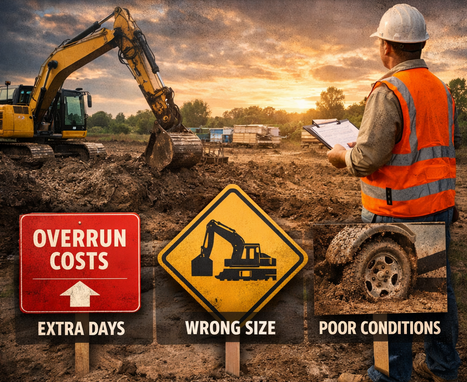
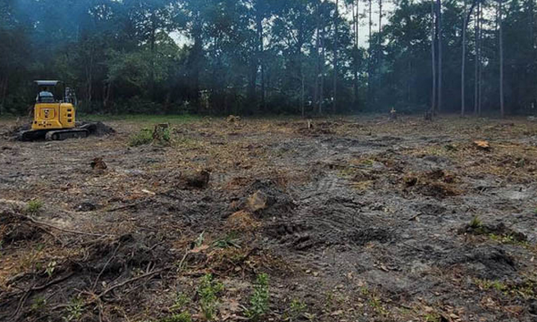
Sandy soil in Florida drains quickly and is easier to excavate, making it suitable for lighter equipment, while clay soil is harder to remove and retains moisture requiring heavier machines with better traction and more power. Selecting equipment based on soil type rather than the task alone can prevent job delays, property damage, and safety issues that are common when site condition are overlooked.
Many equipment rental decisions are made based on the task alone, not the ground conditions. That is a mistake. Soil type plays a major role in whether a machine performs well or struggles.
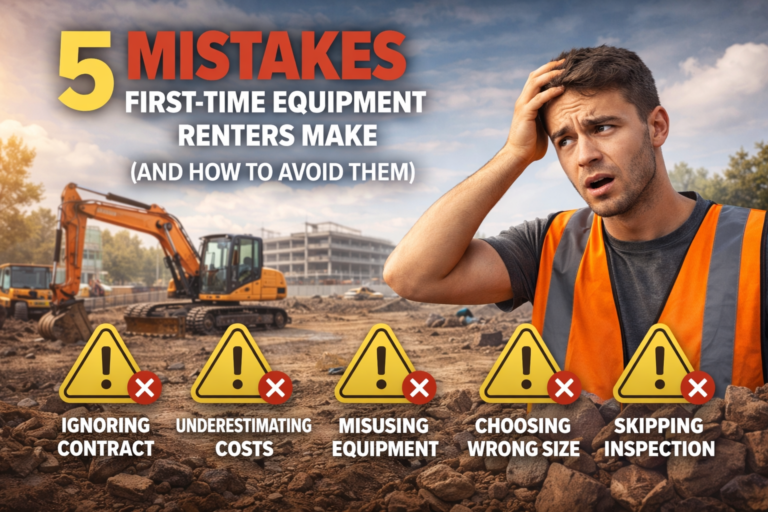
We regularly see customers rent the right machine for the job but the wrong machine for the soil. The result is lost time, unnecessary property damage, or a machine that cannot safely do the work. Equipment selection should always start with the project, the site conditions, and access. Soil type is a core part of that decision process.How to Choose the Right Equipment for Your Project
Ignoring soil conditions does not just slow a job down. It often creates avoidable problems.
Let’s discuss your project to find out exactly what you need? Call us at (904) 452-0888 or fill out our project inquiry form at tesrents.com.
Options Breakdown
Working in Sandy Soil
Best characteristics:
Drains quickly after rain
Easier to excavate and grade
Less resistance during digging
Limitations:
Loses stability under heavy machines
More prone to rutting and washout
Can collapse when trenching without proper support
Sandy soil often favors tracked equipment with good weight distribution, especially when carrying loads or working on slopes.
Working in Clay Soil
Best characteristics:
Holds shape when dry
Stable base for finished pads when conditions are right
Limitations:
Retains moisture for long periods
Becomes slick and sticky when wet
Increases risk of getting equipment stuck
Clay soil magnifies traction issues and makes wheeled equipment far less forgiving, especially after rain.
Choosing Between Wheeled and Tracked Machines
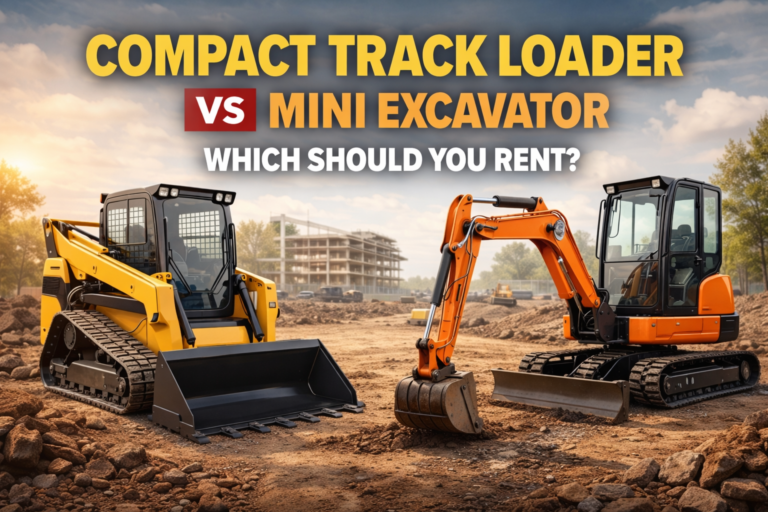
Tracked machines generally perform better across both soil types, particularly when moisture is involved. Wheeled machines may work in dry sand but lose effectiveness quickly as conditions change.Skid Steer vs Compact Track Loader: Which Is Better for Florida Jobs?
DIY Homeowner Takeaways
Sandy soil is easier to dig but easier to damage
Clay soil can shut a project down when wet
Tracked machines are more forgiving for first-time operators
Soil conditions should influence machine choice as much as the task itself
For homeowners, soil-related mistakes often show up as yard damage or unfinished work. Planning around soil conditions reduces both.
Contractor Notes
Soil type directly impacts productivity and cycle times
Clay soil requires stricter planning around weather windows
Sandy soil demands attention to machine weight and access routes
Equipment choice should account for recovery risk if conditions change
Soil awareness improves scheduling accuracy and reduces downtime.
Local & Practical Considerations
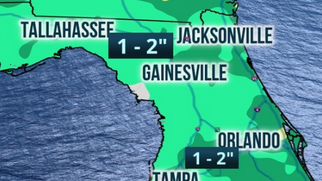
North Central and North East Florida sites often include a mix of sandy topsoil and clay beneath. A site that appears workable on the surface can change dramatically once digging begins.
Other local factors include:
Seasonal rain patterns that saturate clay quickly
Unimproved access roads that soften in sand
Drainage ditches and low spots that hold water longer than expected
Proper site access and prep matter even more when soil conditions are marginal.How to Prep Your Property Before Equipment Delivery
Cost, Risk, or Planning Notes
Soil-related issues usually increase costs indirectly:
Lost rental hours
Slower production rates
Cleanup and surface repair
Recovery time if equipment becomes stuck
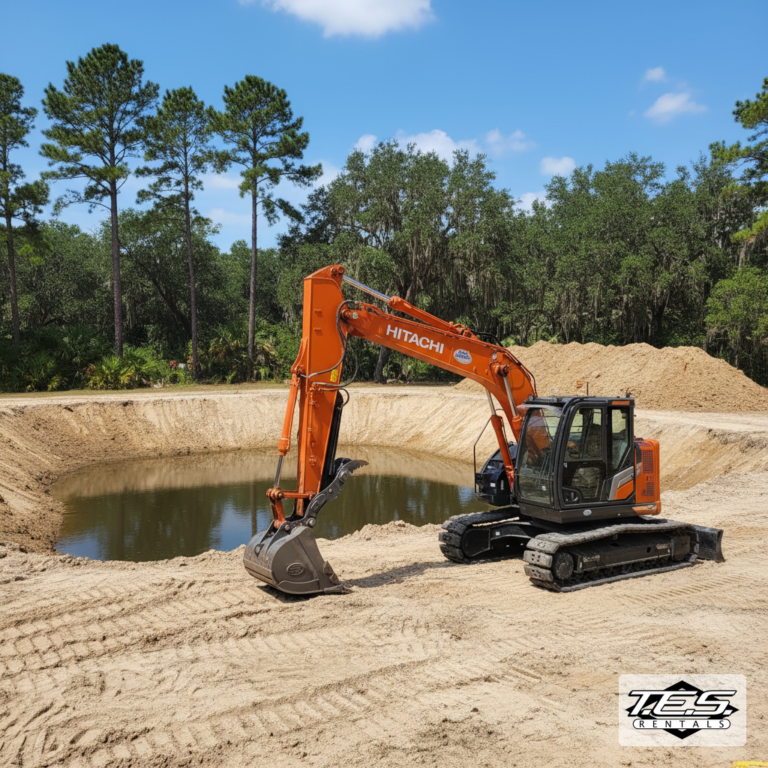
Machine size also matters. Heavier equipment on soft or saturated soil increases risk without improving efficiency.What Size Excavator Do I Need for My Project?
Planning equipment around soil conditions reduces surprises and protects both the jobsite and the machine.
If you are unsure how your soil conditions will affect equipment performance, it is worth talking through the project before reserving a machine. Matching equipment to soil type is one of the easiest ways to avoid delays and unnecessary risk.
Soil type is not an afterthought in Florida project planning, it is a foundational factor in equipment selection that directly impacts job success and cost efficiency. Taking time to assess your site’s soil conditions before renting equipment will save you time, money, and headaches on the job.
Questions about which equipment fits your project? Call us at (904) 452-0888 or fill out our project inquiry form at tesrents.com.
Zeb is the owner of T.E.S. Rentals in Starke, FL. With nearly 2 decades in the industry he helps North Florida contractors and property owners choose the right equipment for land clearing, excavation, and property work.