
Choosing the right rental equipment is the single biggest factor in whether a project finishes on time and on budget. The most common mistakes like renting based on daily price, selecting undersized machines, or using the wrong attachment lead to extended rentals, rework, and lost time. Getting the selection right before work begins eliminates nearly all of these problems.
Equipment choice comes down to three decisions: machine size, machine type, and attachments. Undersized equipment is the number one cause of wasted rental time, and the wrong attachment can slow a job just as much as the wrong machine. In North Central and Northeast Florida, soil moisture and high water tables frequently require tracked equipment over wheeled machines. That’s a factor that’s easy to overlook and costly to ignore.
Whether you’re a DIY homeowner or a contractor, the right machine finishes the job faster and cheaper than the wrong one rented at a lower rate. First-time renters often find a properly sized machine easier to operate than an underpowered one. A short conversation before reserving equipment is usually all it takes to match the right machine to the job.
Questions about which equipment fits your project? Call us at (904) 452-0888 or fill out our project inquiry form at tesrents.com.
Why Is Choosing the Right Equipment So Important?
Most customers don’t struggle because equipment is difficult to operate. They struggle because they start with the wrong machine.
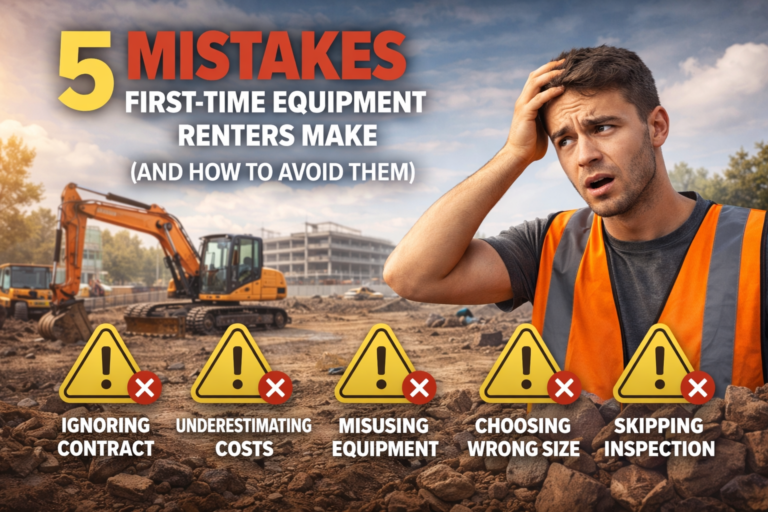
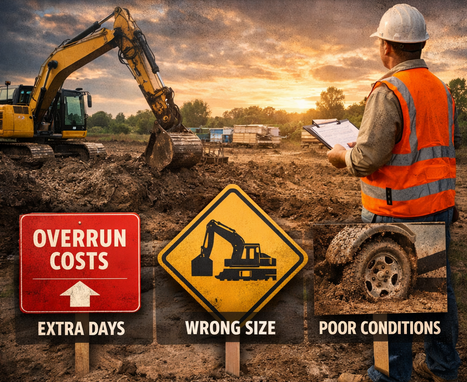
Common issues we see:
Renting based on daily price instead of capability
Underestimating how long the job will take
Ignoring soil conditions or site access
Selecting a machine without the right attachment
Once work begins, correcting a poor equipment choice usually means downtime, rental extensions, or rework. Getting it right at the start avoids nearly all of this.
What Factors Matter Most When Choosing Rental Equipment?
Equipment selection typically comes down to a few key decisions.
1. Machine Size
Smaller machines are easier to transport and less intimidating
Larger machines provide faster cycle times and greater capability
Undersized equipment is the number one cause of wasted rental time
2. Machine Type
Excavators are best for digging, trenching, and precision work
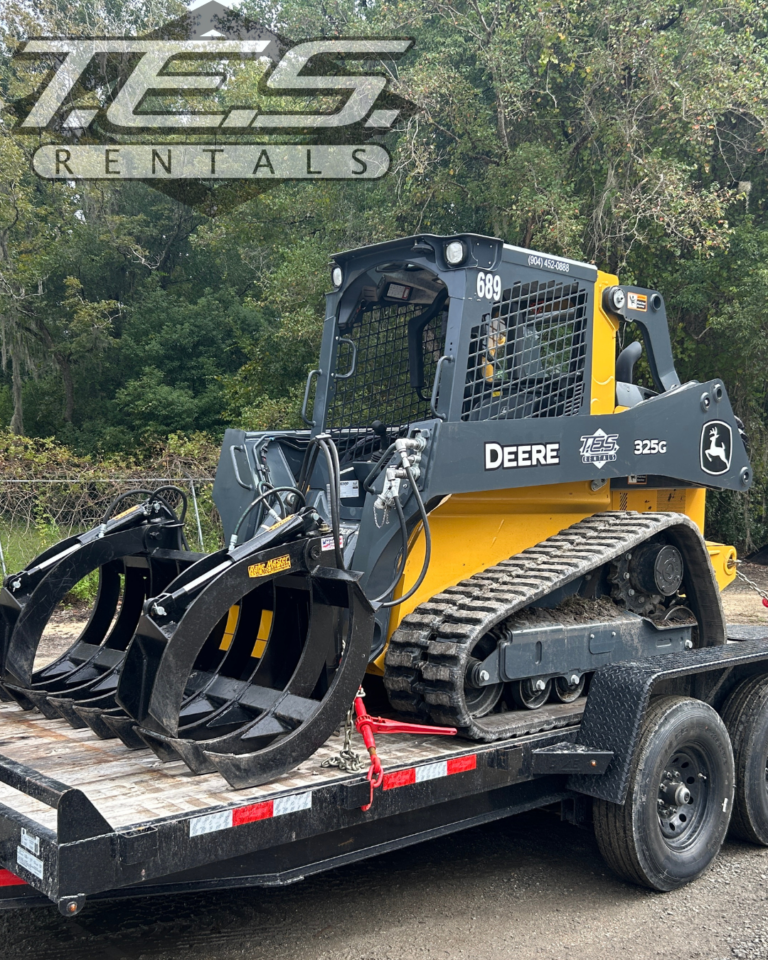
Compact track loaders excel at grading, material movement, and surface prep
Specialized machines (stump grinders, trenchers) often outperform general-purpose options
3. Attachments
The wrong attachment can slow a job more than the wrong machine
Proper attachments often matter as much as machine size
The goal isn’t the cheapest rental, it’s the machine that completes the work efficiently.
DIY Homeowner Takeaways
DIY customers often run into the same two problems: overestimating skill and underestimating time.
What to keep in mind:
A properly sized machine is often easier to operate than an underpowered one
Learning controls takes time, so plan for it
Renting the right tool upfront is usually cheaper than extending a rental
Confidence helps, but efficiency finishes projects. The right machine compensates for inexperience; the wrong one magnifies it.
Contractor Notes
Contractors approach equipment selection differently and for good reason.
What matters most:
Reliable, well-maintained equipment
On-time delivery and pickup
Honest communication when challenges arise
Downtime kills margins. Equipment selection should prioritize productivity and reliability, not just availability. A machine that finishes the job faster almost always wins, even at a higher daily rate.
How Do Florida Soil and Weather Conditions Affect Equipment Choice?
Local conditions in North Central and North East Florida play a major role in equipment selection.
Key realities:
During dry periods, access is easier across most properties
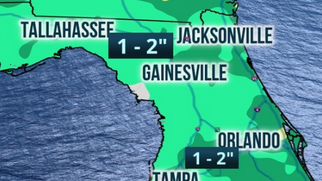
Under normal conditions, wet ground and high water tables create traction and stability challenges
Soft yards and saturated soil often require tracked equipment instead of wheeled machines
Ignoring soil moisture and ground conditions is one of the fastest ways to lose time or get stuck altogether.
Where Projects Commonly Lose Time
Most time losses come from:
Renting equipment that’s too small
Using the wrong attachment
Limited familiarity with controls
Poor jobsite preparation
Nearly all of these issues can be avoided with a short conversation before reserving equipment.
How We Recommend Equipment
Before recommending any machine, we always ask:
Those answers matter more than budget alone and usually point to the right solution quickly.
Frequently Asked Questions About Choosing Rental Equipment
How do I know if equipment is too small for my project?
If progress feels slow, the machine struggles under normal loads, or you’re making multiple passes for simple tasks, the equipment is likely undersized.
Is it cheaper to rent smaller equipment for longer?
Usually not. Undersized equipment often leads to extended rentals, which increases total cost.
Does soil condition really affect equipment choice?
Yes. Wet or soft ground often requires tracked machines to maintain traction and avoid property damage.
Should first-time renters always choose smaller machines?
Not necessarily. In many cases, a properly sized machine is easier to use productively than a smaller, underpowered one.
Next Step
If you’re unsure which machine fits your project, it’s worth talking through the details before reserving. A short conversation upfront can save hours, or days of lost time once work begins. Preventing that equals saving money.
Want to save headaches and money? Call us at (904) 452-0888 or fill out our project inquiry form at tesrents.com.
Zeb is the owner of T.E.S. Rentals in Starke, FL. With nearly 2 decades in the industry he helps North Florida contractors and property owners choose the right equipment for land clearing, excavation, and property work.