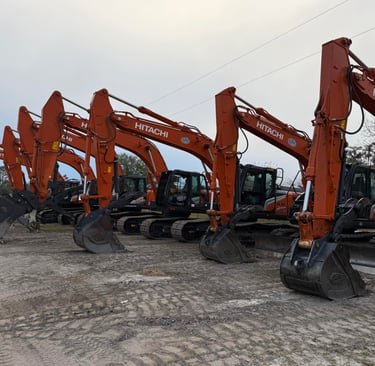
Excavator size is determined by your project scope, soil conditions, and access constraints. Rresidential work typically requires mini excavators (1-6 tons), while commercial and heavy construction projects need standard or large excavators (13-50+ tons). The key is matching the machine’s bucket capacity and reach to your digging depth and material volume, then verifying it fits through your site access points.
Selecting the right excavator size balances efficiency and cost, preventing both underpowered equipment that slows your timeline and oversized machines that waste rental dollars. When in doubt about your project’s requirements, consulting with your equipment rental provider can help ensure you get the right fit.
Lets talk through your project. Call us at (904) 452-0888 or fill out our project inquiry form at tesrents.com.
Why Excavator Size Matters More Than People Think
Excavators are often chosen based on familiarity or price instead of capability.
Common situations we see:
Mini excavators selected for large stumps or ponds
Projects requiring reach or depth the machine simply doesn’t have
Jobs that become inefficient due to lack of stability or breakout force
Once work begins, the limits of an undersized excavator become obvious, along with the costs.
What Actually Determines Excavator Size?
Excavator size isn’t about horsepower alone. The most important factors are:
Machine Weight
Heavier machines are more stable
Stability matters when prying, lifting, or digging at reach
Contractors focus on weight because it translates directly to capability
Reach and Dig Depth
Pond excavation often fails with undersized machines
Limited reach forces extra repositioning and over-digging
More reach = fewer passes = faster progress
Stability Under Load
Removing stumps requires controlled force
Light machines often require excessive digging around the stump
Instability leads to inefficiency and frustration
DIY Homeowner Takeaways
DIY customers often think in terms of horsepower, assuming more power means more capability.
What matters more:
Machine weight and balance
Reach and digging specs
How much repositioning is required
Even though larger excavators can feel intimidating at first, a right-sized machine often makes the job easier, not harder, by reducing the amount of work needed to accomplish the task.
Contractor Notes
Contractors tend to think differently (and correctly) about excavator size.
They prioritize:
Machine weight
Stability at reach
Efficiency per hour, not just availability
For contractors, undersizing an excavator costs more in labor and time than stepping up to the correct machine.
Florida & Local Jobsite Considerations
While soil conditions don’t always dictate excavator size directly, they do influence stability and efficiency, especially when digging below grade or working near water.
Access and transport also matter:
Residential lots may limit machine size
Soft ground can magnify stability issues with lighter machines
Delivery access should always be considered upfront
Transport and Towing Reality
One of the most overlooked factors is transport capability.
Common issues:
Machine weight exceeding the towing capacity of the customer’s truck
Incorrect trailer selection
Underestimating delivery access constraints
Choosing the right excavator means balancing jobsite needs with realistic transport options.
Efficiency vs Intimidation
A common concern is that larger excavators are harder for beginners.
In reality:
Right-sized excavators finish jobs faster, even for new operators
Larger machines reduce repositioning, over-digging, and corrective work
Efficiency often outweighs the initial learning curve
The goal isn’t comfort, it’s completing the project efficiently.
Attachments vs Capability
Some customers assume attachments define what an excavator can do.
Common misunderstandings:
Overestimating capability based on bucket size
Assuming a thumb makes a small machine suitable for large stumps
Ignoring stability and weight limitations
Attachments enhance capability, but they do not replace proper machine size.
Cost, Risk, and Planning Notes
A larger excavator can cost less overall when:
Increased size creates meaningful efficiency
The job requires reach, depth, or stability
Time savings reduce total rental duration
Upsizing stops making sense when:
Additional size no longer improves productivity
Access, transport, or maneuverability becomes a constraint
The goal is not upselling it’s selecting the machine that completes the job faster with fewer complications.
Our Rule of Thumb
If you’re debating between two excavator sizes, you’re usually better off choosing the larger one because increased size typically creates efficiency through reduced work and fewer limitations.
We focus on recommending what works not selling bigger for the sake of it.
Frequently Asked Questions About Excavator Size
How do I know if an excavator is too small for my project?
If the machine lacks reach, feels unstable when prying or lifting, or requires excessive repositioning, it’s likely undersized.
Is a mini excavator enough to remove stumps?
Small stumps, yes. Larger stumps often require heavier machines to avoid excessive digging, instability, and wasted time.
Do attachments make a small excavator perform like a larger one?
No. Attachments help, but machine weight, reach, and stability still determine overall capability.
Does renting a larger excavator always cost more?
Not always. Larger machines often finish jobs faster, reducing total rental time and overall cost.
Internal Links
Next Step
If you’re unsure which excavator size fits your project, a short conversation before reserving equipment can prevent major inefficiencies. Choosing the right size upfront often saves more time than any other decision.
Call us at (904) 452-0888 or fill out our project inquiry form at tesrents.com.
Zeb is the owner of T.E.S. Rentals in Starke, FL. With nearly 2 decades in the industry he helps North Florida contractors and property owners choose the right equipment for land clearing, excavation, and property work.
